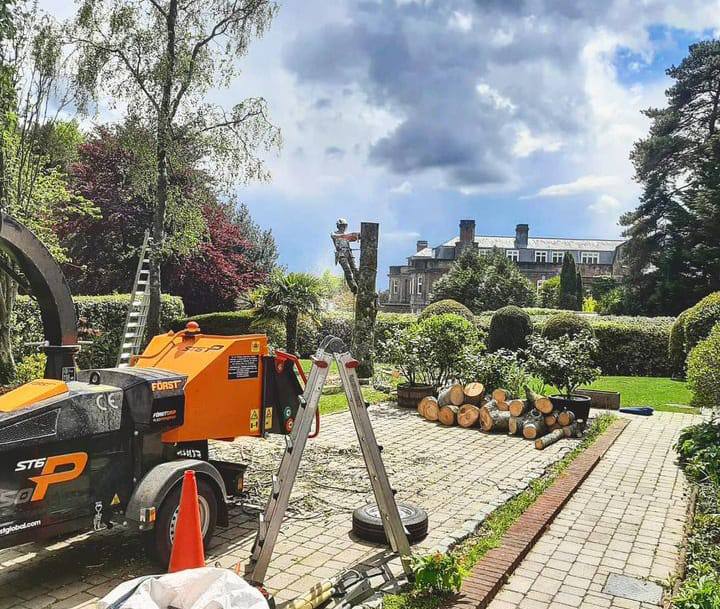
Why Pruning Is Essential for Hazard Prevention
Trees add beauty, structure, and value to gardens and outdoor spaces across Biggleswade, but without proper care they can also develop hazards that put people and property at risk. Pruning is one of the most effective ways to manage these risks. It keeps trees healthy, structurally sound, and able to withstand the challenges posed by weather, age, and growth patterns.
At Biggleswade Tree Surgeons, we carry out professional pruning that strengthens trees while preventing avoidable dangers from developing.
Preventing Weak or Dangerous Branches
As trees grow, some branches naturally become weak, diseased, or poorly attached. These branches are far more likely to break during windy weather or under their own weight.
Professional pruning helps remove:
- Dead or decaying limbs
- Branches with weak unions
- Overextended growth
- Crossing or rubbing branches
By removing these hazards early, the risk of unexpected branch failure is significantly reduced.
Improving Tree Structure for Long-Term Stability
Young and mature trees can both develop growth patterns that compromise their stability. Poor structure may not cause immediate issues, but over time it increases the likelihood of splitting, leaning, or limb drop.
Pruning helps promote:
- Balanced canopy shapes
- Strong central structure
- Even weight distribution
- Better resilience to storms and high winds
A well-structured tree is far safer and requires fewer corrective measures later in life.
Reducing Wind Resistance
In exposed areas of Biggleswade, strong winds can place enormous strain on tree canopies. A dense, overcrowded canopy behaves like a sail, catching the wind and increasing the chances of limb breakage or uprooting.
Crown thinning reduces this risk by:
- Allowing wind to pass through the canopy
- Minimising unnecessary weight
- Reducing pressure on limbs and trunks
This makes the tree more stable and less vulnerable during adverse weather conditions.
Preventing Overhanging Dangers
Branches that hang over driveways, roofs, gardens, footpaths, or neighbouring properties present a clear hazard if they fail. Regular pruning keeps these branches at a safe length and height.
This is especially important for:
- Homes with tall mature trees
- Properties with busy pathways or shared access
- Trees close to garages, conservatories, or vehicles
Pruning ensures that overhead hazards are managed before they cause damage.
Reducing the Risk of Disease Spread
Dead, infected, or damaged branches can harbour pests and diseases that weaken the tree overall. If left unaddressed, these issues may spread throughout the canopy, increasing the risk of structural failure.
Pruning removes affected areas and encourages healthy regrowth, strengthening the tree’s natural ability to resist disease.
Allowing More Light and Improving Visibility
Poorly maintained trees can grow too densely, reducing visibility and creating shaded areas that may be unsafe—especially near paths, garages, and entrances.
Pruning enhances:
- Sightlines around the property
- Natural light reaching the ground
- Safe movement around outdoor spaces
This improves both safety and the practical use of the garden.
Protecting Buildings and Surrounding Structures
Branches that grow too close to buildings can cause a number of hazards, including:
- Damage to roofs, gutters, and windows
- Friction against walls
- Obstruction of satellite dishes or lighting
- Increased risk of storm-related damage
Pruning protects buildings by keeping branches at a safe distance and preventing structural interference.
Why Professional Pruning Is Essential
Pruning may appear straightforward, but incorrect cuts can weaken a tree, create wounds that invite disease, or stimulate unstable regrowth. Professional tree surgeons understand:
- How much growth to remove
- Where to cut for structural benefit
- How to protect the tree’s health
- How to carry out work safely at height
Biggleswade Tree Surgeons use specialist techniques to reduce hazards while maintaining the long-term strength and appearance of each tree.
Conclusion
Pruning is essential for hazard prevention because it addresses structural weaknesses, reduces wind resistance, prevents disease spread, and keeps trees safely managed around buildings and walkways. It strengthens the tree while reducing the likelihood of accidents or property damage.
If you want to ensure your trees in Biggleswade remain safe, healthy, and well-maintained, Biggleswade Tree Surgeons are here to help. Contact us to arrange professional pruning that protects your property and enhances your outdoor space.
Call us on: 01767 660 596
Click here to find out more about Biggleswade Tree Surgeons
Click here to complete our contact form and see how we can help with your tree needs.